Ultralight Hiking Gear List for Beginners That Actually Works
Author:Mike Fakunle
|
Released:October 17, 2025
Ultralight hiking gear list for beginners searches usually come from people tired of heavy packs and sore shoulders. Carrying less weight makes hiking easier, safer, and more enjoyable, especially on long days. Ultralight does not mean unsafe or uncomfortable.
Most beginners want clear answers about what to carry, what to skip, and how to stay protected without buying extreme gear. This guide focuses on simple choices, real trail conditions, and gear that works for beginners without confusion.
What Ultralight Really Means for Beginner Hikers
Ultralight hiking is about reducing unnecessary weight while keeping safety and comfort intact. For beginners, this usually means lowering pack weight without pushing limits.

Base Weight Explained in Simple Terms
Base weight includes everything in the pack except food, water, and fuel. An ultralight hiking gear list for beginners usually aims for a base weight under 10 to 12 pounds. That number keeps the pack manageable without removing essential items.
Difference Between Ultralight, Lightweight, and Traditional Gear
Traditional gear focuses on durability but adds weight. Lightweight gear reduces bulk but still prioritizes comfort. Ultralight hiking gear strips down extra features and focuses on efficiency. Beginners usually start with lightweight and ultralight before fully transitioning.
Why Beginners Benefit More From Ultralight Than Experts
New hikers tire faster with heavy packs. An ultralight hiking gear list for beginners reduces fatigue, improves balance, and lowers injury risk. Carrying less also makes learning trail skills easier and more enjoyable.
Common Beginner Mistakes When Choosing Ultralight Gear
Many beginners try to copy advanced hikers too quickly. This often leads to poor decisions.
Buying Expensive Ultralight Gear Too Early
High-end ultralight gear is not always beginner friendly. Simple, affordable items often work better while learning. A smart ultralight hiking gear list for beginners focuses on function before cost.
Cutting Weight in the Wrong Places
Skipping insulation, rain protection, or navigation tools can be dangerous. Weight should be reduced by removing extras, not essentials.
Confusing Comfort With Overpacking
Extra clothes and backup items often feel comforting but rarely get used. Comfort comes from smart choices, not more gear.
How to Build an Ultralight Hiking Gear List for Beginners
Building a list works best when done step by step.
Start With the Big Three Items
The backpack, shelter, and sleep system make up most of the weight. Reducing weight here has the biggest impact on an ultralight hiking gear list for beginners.
Set a Realistic Target Weight
A beginner-friendly goal is comfort and safety. Dropping weight gradually prevents mistakes and builds confidence.
Balance Weight, Safety, and Comfort
Ultralight hiking is not about suffering. Gear should match climate, terrain, and skill level.
Ultralight Backpack Options for Beginners
The backpack holds everything together.
Ideal Backpack Capacity
Most beginners do well with 40 to 50 liters. Smaller packs force smarter packing and prevent overloading.
Frame vs Frameless Backpacks
Framed packs handle weight better for new hikers. Frameless packs work only when the base weight is already low.
Backpack Features That Matter
Simple suspension, breathable straps, and durable fabric matter more than pockets and zippers.
Ultralight Shelter Choices That Are Beginner Friendly
Shelter choices depend on weather and comfort needs.
Lightweight Tents vs Trekking Pole Shelters
Lightweight tents are easier to set up and forgiving in bad weather. Trekking pole shelters save weight but require practice.
Tarps and Bivy Systems
Tarps and bivies are very light but demand skill. Beginners should treat them as future upgrades.
Weather Protection Without Extra Weight
Reliable shelters tested for rain and wind are safer. Weather planning matters as much as gear choice, a principle supported by information shared across outdoor safety education resources found through sites such as weather forecasting guidance.
Ultralight Sleep System for Beginners
Sleep quality affects energy and safety.
Sleeping Bags vs Quilts
Quilts are lighter and easier to vent. Sleeping bags feel familiar and warmer for beginners.
Sleeping Pad Types
Inflatable pads offer comfort at a low weight. Foam pads are durable but bulkier.
Temperature Ratings Explained
Ratings assume ideal conditions. Beginners should choose warmer options to avoid cold nights, especially in changing climates discussed across outdoor research platforms such as environmental protection resources.
Ultralight Clothing System That Still Keeps You Safe
Clothing weight adds up quickly.
Layering Instead of Extra Clothes
One hiking outfit plus insulation and rain protection is usually enough.
Fabrics That Save Weight
Synthetic and wool fabrics dry faster and reduce odor.
Rain Protection
Light rain jackets provide essential safety without heavy materials.
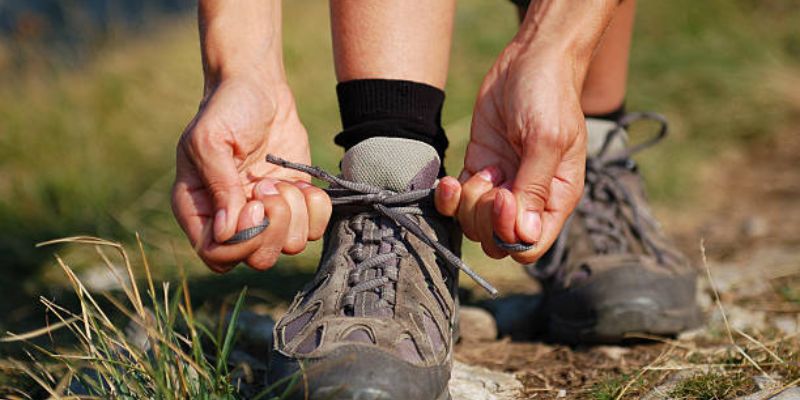
Ultralight Footwear and Socks for Beginner Hikers
Footwear affects comfort more than pack weight.
Trail Runners vs Hiking Boots
Trail runners are lighter and dry faster. Boots offer ankle support but add weight.
Sock Choices
Good socks reduce blisters and eliminate the need for backups.
When Boots Still Make Sense
Rocky terrain or heavy loads may justify boots for some beginners.
Ultralight Cooking and Water Setup
Food systems vary by trip length.
Do You Need a Stove
Short trips may not need cooking. Cold meals reduce weight and time.
Lightweight Stove Options
Small canister stoves are simple and reliable.
Water Storage and Filtration
Lightweight filters remove bacteria efficiently, following safety standards commonly referenced in public health guidance found through sources such as water quality information.
Ultralight Navigation, Safety, and Essentials
Safety gear must stay reliable.
Navigation Tools
Offline maps on a phone plus a paper backup work well.
First Aid Essentials
Focus on blister care, pain relief, and wound cleaning.
Power and Lighting
A small headlamp and a compact battery are enough.
Ultralight Hygiene and Personal Items
Small items add surprising weight.
Toiletries to Skip
Large containers and backups are rarely used.
Minimal Hygiene Kit
A toothbrush, small toothpaste, and hand sanitizer cover most needs.
Leave No Trace Items
Trash bags and trowels can be lightweight and essential.
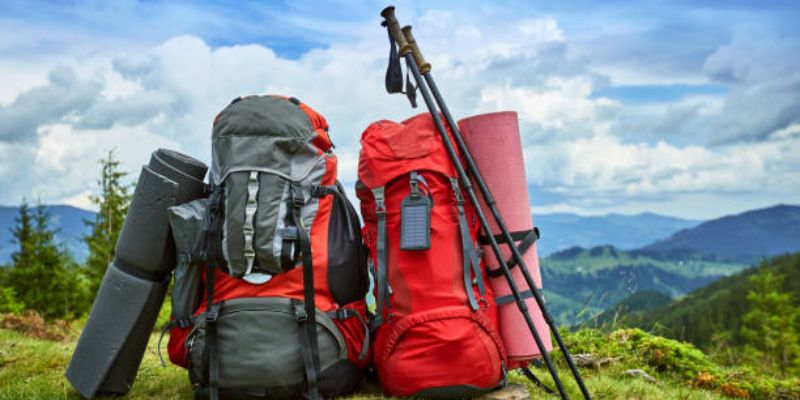
Ultralight Gear List Example for a Beginner Overnight Trip
A sample setup helps planning.
Base Weight Breakdown
Pack, shelter, sleep system, clothing, and essentials usually stay under 10 to 12 pounds.
Adjusting for Conditions
Cold weather or rain increases weight slightly.
Longer Trips
Food weight increases, but base weight stays the same.
How to Lower Pack Weight Without Buying New Gear
Replace Gear With Planning
Weather checks and route knowledge reduce backup items.
Multi-Use Items
Trekking poles double as shelter support.
What to Leave Behind
Extra clothes, gadgets, and duplicates usually stay unused.
How to Know If Your Ultralight Setup Is Working
Comfort on the Trail
Energy levels stay higher with lighter packs.
Signs of Going Too Light
Cold nights or wet gear signal missing items.
Adjust After Each Trip
Refinement improves every outing.
Ultralight Hiking Gear List for Beginners Made Simple
An ultralight hiking gear list for beginners works best when built slowly. The goal is steady improvement, safer trips, and more enjoyable miles. With careful choices and experience, lighter packs become natural without sacrificing comfort or protection.
Sources
Related Posts

Activities
High-Altitude Adventure: Best Guided Trekking Tours In The Himalayas
Outdoor Gear
Gaiters For Hiking: When You Actually Need Them and How to Choose
Outdoor Gear
Water Filter vs Purifier for Hiking: Which One Do You Actually Need
Guides and Tips
Best Hiking Boots for Beginners in 2026: Simple Choices That Work

Activities
How To Protect Yourself From Insects On Trails And Avoid Painful Bites

Destinations